


Greetings, adventurers https://megawaysslot.eu/gonzos-quest-megaways/. Today, we’re beginning a distinct journey that links two apparently different worlds: the vibrant, cascading reels of the Gonzo’s Quest Megaways title and the vital, often neglected, practice of proactive eye care. At first glance, the connection might appear weak, but as we dig further, a distinct story emerges about sight interaction, display usage, and user health. We’re focusing on a specific, critical message: the “Eye Check Pause” initiative in the UK, a straightforward yet effective reminder that our eyes require consistent upkeep, notably in an era dominated by digital screens. While we celebrate the engrossing, Avalanche-filled adventure that this favorite title provides, we must also champion the significance of moving back, focusing on faraway objects, and undergoing an eye exam regularly. This article isn’t about casting shadows on enjoyment; it’s about highlighting a path to enduring fun. By understanding both the exciting features of the game and the basic requirements of our eyesight, we can forge a more harmonious and health-aware approach to our free time, guaranteeing that the search for riches doesn’t come at the cost our most important sensory tool.
Understanding the Sight Demand of Modern Slots
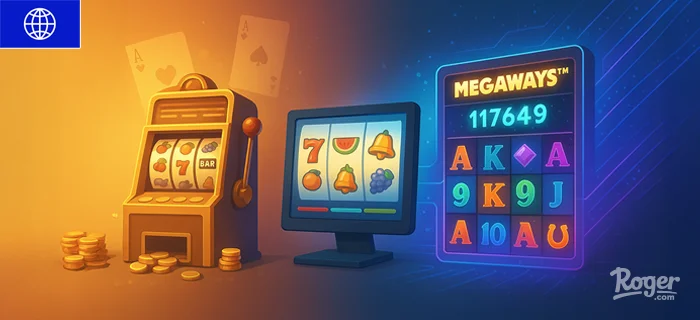
The evolution from traditional, three-reel fruit machines to advanced video slots like Gonzo’s Quest Megaways signifies a substantial leap in sight and intellectual stimulation. Modern slots are engineered to mesmerize. They employ high-definition graphics, fast symbol animations, cascading wins (or “Avalanches” as in Gonzo’s case), and a continuous, shimmering array of prospective bonus triggers. This generates a phase of “controlled immersion,” where our visual cortex is processing a tremendous amount of changing data—tracking falling symbols, expecting multiplier progressions, and adjusting to the celebratory flashes of a win. Unlike scanning static text or viewing a slow-paced film, slot gameplay entails sporadic, high-intensity visual events against a intricate, often thematic backdrop. This requires constant micro-adjustments in focus and can markedly reduce our blink rate, a natural process that wets and refreshes the eyes. The Megaways mechanic itself, with its up to 117,649 ways to win and a variable reel setup, adds another stratum of visual complexity. Each spin presents a distinct, dense pattern of symbols to scan, holding our eyes fixed in a stable focal plane. This extended near-point focus, combined with the screen’s intrinsic brightness and blue light emission, forms the essence of the visual demand we’re examining, setting the stage for why conscious eye care is not just advice but a requirement for the modern player.
The “Vision Test Break” Initiative: A UK Public Health Focus
In the United Kingdom, a unified public health initiative has been growing around the simple, life-changing act of having a regular eye test. Bodies like the Association of Optometrists (AOP) and the NHS conduct campaigns emphasizing that eye tests are about much more than checking if you need glasses. They are a critical window into your overall health. A comprehensive eye examination can detect early signs of serious ailments such as glaucoma, diabetes, high blood pressure, and even certain types of cancer long before other symptoms manifest. The “Vision Test Break” concept we’re discussing here dovetails perfectly with this effort. It’s a call to action, a habitual nudge prompting people to physically break from prolonged screen-based tasks—be it work, social media, or gaming—and arrange that essential check-up. For the gaming community, this information is particularly relevant. The initiative isn’t about instilling fear; it’s about empowerment through prevention. By mainstreaming the conversation around eye health within recreational contexts, we aim to remove the stigma from the need for care and incorporate healthy habits into the gaming lifestyle. It’s a forward-thinking stance, guaranteeing that the joy of exploring the lost cities of Eldorado with Gonzo doesn’t inadvertently cloud the vision we use to navigate our own world.
Gonzo’s Quest Megaways: A Study in Immersion
To fully appreciate the eye care topic, let’s initially understand the compelling nature of the game in question. Gonzo’s Quest Megaways, developed by Red Tiger and influenced by the iconic original from NetEnt, is a showcase in absorbing slot craft. It moves the cherished conquistador Gonzo into the dynamic Megaways engine, creating an journey that is at once known and explosively new. The core premise stays: we track Gonzo on his journey for Eldorado, observing as symbols fall into place in Avalanche reels rather than spinning. Each win triggers a chain, with multipliers growing on a separate trail and the possibility for Free Falls (the bonus round) constant. The aesthetic and auditory fabric is detailed—from the elaborate stone blocks and ancient carvings that compose the symbols to the amusing animations of Gonzo himself interacting to wins. The game demands, and benefits, focused attention. Players are not inactive observers; they are actors in Gonzo’s story, following multiplier levels, anticipating the next Avalanche, and longing for the elusive Free Falls feature where the real reward lies. This deep absorption is the game’s greatest quality, but it also demonstrates the kind of sustained visual attention that makes regular pauses and eye tests so critical. It’s a excellent example of a modern digital creation that is incredibly engaging for the mind, yet quietly strenuous on the eyes.
Practical Eye Care Tips for Dedicated Players
Enjoying the adventure of slots doesn’t mean neglecting your well-being. With a few conscious adjustments, we can create a gaming environment that is far more comfortable to our eyes. The cornerstone of this is the 20-20-20 rule, a universally recommended practice by optometrists. Every 20 minutes, look at something at least 20 feet away for at least 20 seconds. This simple act allows the focusing muscles inside your eyes to relax, reducing strain. Furthermore, we can enhance our physical setup. Ensure your screen is at an arm’s length away and positioned so your gaze is slightly downward. This reduces the exposed surface area of your eyes, helping to minimize dryness. Adjusting screen brightness to match the ambient light in your room is also vital; a screen that glows like a beacon in a dark room is a major source of strain. Many devices now offer blue light filters or “night shift” modes, which can be advantageous during evening sessions. Finally, don’t forget to blink deliberately! We naturally blink less when concentrating on a screen, leading to dry, irritated eyes. Making a habit of full, deliberate blinks can keep your eyes comfortable. Integrating these tips forms a powerful defensive strategy against digital eye strain.
- Stick to the 20-20-20 Rule: Every 20 minutes, pause and focus on a distant object (20 feet away) for 20 seconds to refresh your eye muscles.
- Improve Your Environment: Position your screen about an arm’s length away, ensure your gaze is slightly downward, and match screen brightness to your room’s lighting to avoid harsh contrast.
- Consider Your Blinks and Hydration: Make a conscious effort to blink fully and regularly to lubricate your eyes, and keep yourself hydrated throughout your session.
- Use Software Aids: Activate blue light filters on your device or consider specialized gaming glasses that filter blue light and reduce glare.
Why Regular Eye Tests Cannot Be Skipped
Booking and attending a routine eye examination every two years—or more regularly if advised by your optometrist—is the most important step you can take for your ocular health. It’s a common misconception that you only require a test when your vision becomes visibly blurry. In reality, many eye conditions develop gradually and silently. A professional eye test does much more than provide a prescription for glasses or contact lenses. It is a thorough health check. Using specialized equipment, your optometrist can examine the internal structures of your eye, including the retina, blood vessels, and optic nerve. This allows for the early identification of sight-threatening conditions like glaucoma, which can lead to irreversible damage before you realize any vision loss. Furthermore, signs of systemic issues like diabetes (which can manifest as diabetic retinopathy) or hypertension can be spotted. In the UK, many people are entitled for free NHS eye tests, and certain groups may also receive vouchers towards the cost of glasses. Viewing this test as a non-negotiable part of your health maintenance routine, akin to a dental check-up, redefines it from an optional chore to an critical investment in your long-term quality of life and continued ability to partake in all your favourite activities, both on and off the screen.
Mixing Entertainment with Wellness
The objective here is not to advocate for less play, but for more mindful, more enduring play. Playing slots like Gonzo’s Quest Megaways is a great form of entertainment, offering excitement, narrative engagement, and the thrill of chance. The key is to integrate that enjoyment into a lifestyle that emphasizes holistic well-being. This means considering session length, following the practical eye care tips we’ve shared, and heeding our bodies. Symptoms like headaches, blurred vision, dry or itchy eyes, and increased sensitivity to light are obvious signals from your body that it’s time to pause. We can think of these not as disruptions to our fun, but as valuable feedback mechanisms. Creating natural breaks into your gaming routine—using the time between bonus features or after a significant win as a signal to stand up, stretch, and look out the window—can bring a world of difference. This well-rounded approach helps that gaming remains a healthy and pleasurable pastime rather than a source of physical unease. It enables us to value the artistic and technical marvels of game design without sacrifice, encouraging a hobby that can be kept healthily for years to come.
Creating a Healthy Gaming Routine
Adopting a maintainable routine demands a modest amount of preparation and commitment, but the benefits are immediate and sustained. Let’s build a model session that integrates eye care from start to finish. Before you even launch the game, establish a soft timer for 20-minute sessions as a cue for your 20-20-20 breaks. Ensure your posture is well-adjusted and your screen options are tuned. During your session, be an engaged participant in your own well-being: use avalanche animations or the loading time between spins as mini-pauses to glance away. Fluid intake is key; keep a glass of water nearby. After a planned gaming stretch—say, 60 to 90 —commit to a longer break of 15-20 mins. Use this time to shift to a completely different setting, ideally with natural light. Furthermore, we can harness technology to aid us. Many OS systems have built-in digital wellbeing tools that can oversee screen time and trigger breaks. The cardinal component of this routine, however, is the annual or twice-yearly calendar slot for your professional eye exam. This is not merely part of the routine; it’s the bedrock that informs everything else, giving you peace of mind and personalized advice.
- Pre-Session Setup: Set your chair, screen placement, and lighting. Prepare a soft timer for 20-minute intervals and have water handy.
- Active In-Session Care: Practice the 20-20-20 rule at every timer reminder. Use natural gaps in gameplay (cascades, bonus round buffering) to blink mindfully and briefly look away from the screen.
- Scheduled Macro-Breaks: After a maximum of 90 minutes, have a proper break of 15-20 mins. Exit your screen, look on distant items, and move your body.
- Post-Session Habit: After finishing, give your eyes a final rest by refraining from other screens for a short while. Lightly rubbing your temples can ease tension.
- Foundational Health Check: Schedule your regular comprehensive eye examination with a qualified optometrist, viewing it as an unmovable appointment for your health.